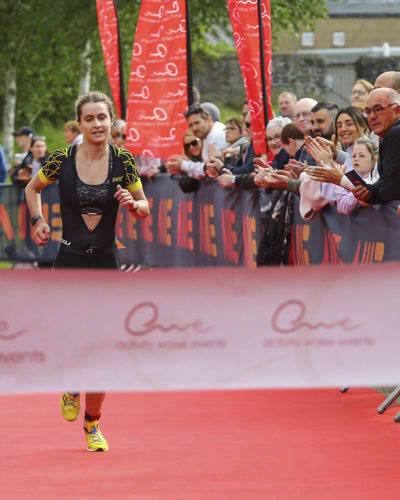

What equipment do I need to enter a triathlon?
Triathlon Gear Guide: Essential Equipment for First-Time Triathletes
So you've signed up for your first triathlon!
How are you feeling? Your in for one hell of a challenge! Whether you have already started training or race day is slowly looming, you might be wondering what equipment do I actually need? The beauty of triathlon is you don't need loads of fancy gear to start - just the essentials. Here's a breakdown by discipline of the equipment you need to get started.
SWIM
Swimsuit/Tri suit - For training, a basic swimsuit is perfectly fine; however, come race day, a tri suit is the go-to. Each suit is tailored to be work throughout all three disciplines without the need to change, saving plenty of time in transitions!
Goggles - Make sure they fit well and test them before race day. Some carry spare goggles, just in case something were to happen on the start line.
Swim Hat - Usually provided by the race in your race pack (colour-coded by wave). Some like to wear more than one, so bring your own as backup and to practice with in the pool.
Wetsuit - This is mandatory for AWE events. A wetsuit will keep you warm and buoyant and faster in the open water.
BIKE
A Bike - Any roadworthy bike works: road, mountain or hybrid- whatever gets you from A to B. A road bike is ideal, but don't stress if you're starting out.
Helmet - A non-negotiable for every triathlon. Make sure it meets necessary safety standards and the clip works!
Bottle Cages and Bottles - To facilitate hydration on the go, at least one is key.
Repair Kit - A flat can ruin your race if not prepared. Carry a spare inner tube, tyre levers, mini pump/CO2 canisters (especially for longer races).
Cycling Shoes (optional) - You can ride in trainers with flat pedals; clip-in shoes can improve efficiency, but can always come later.
Sunglasses - For eye protection against the sun, wind and debris.
RUN
Running Shoes - Your most important piece of kit. Look for pairs that provide cushioning and are lightweight. Please stick to the same shoes that you train in to ensure they fit properly and reduce the risk of any injuries.
Race Belt - Holds your race number across the race. This makes it easy to shift it from your back to your front (from bike to run), like some races permit you to do. Safety pins also work but can be a big faf!
TRANSITION
Small Towel - Use this to dry off and mark your spot in transition.
Hydration/Nutrition - Set up a water bottle or snacks if needed between legs (especially if its a long race!)
And that's it!
With a little planning and a few core essentials, you’ll be ready to take on your first race with confidence. So gear up, trust your training, and go for it. We’ll see you at the finish line!